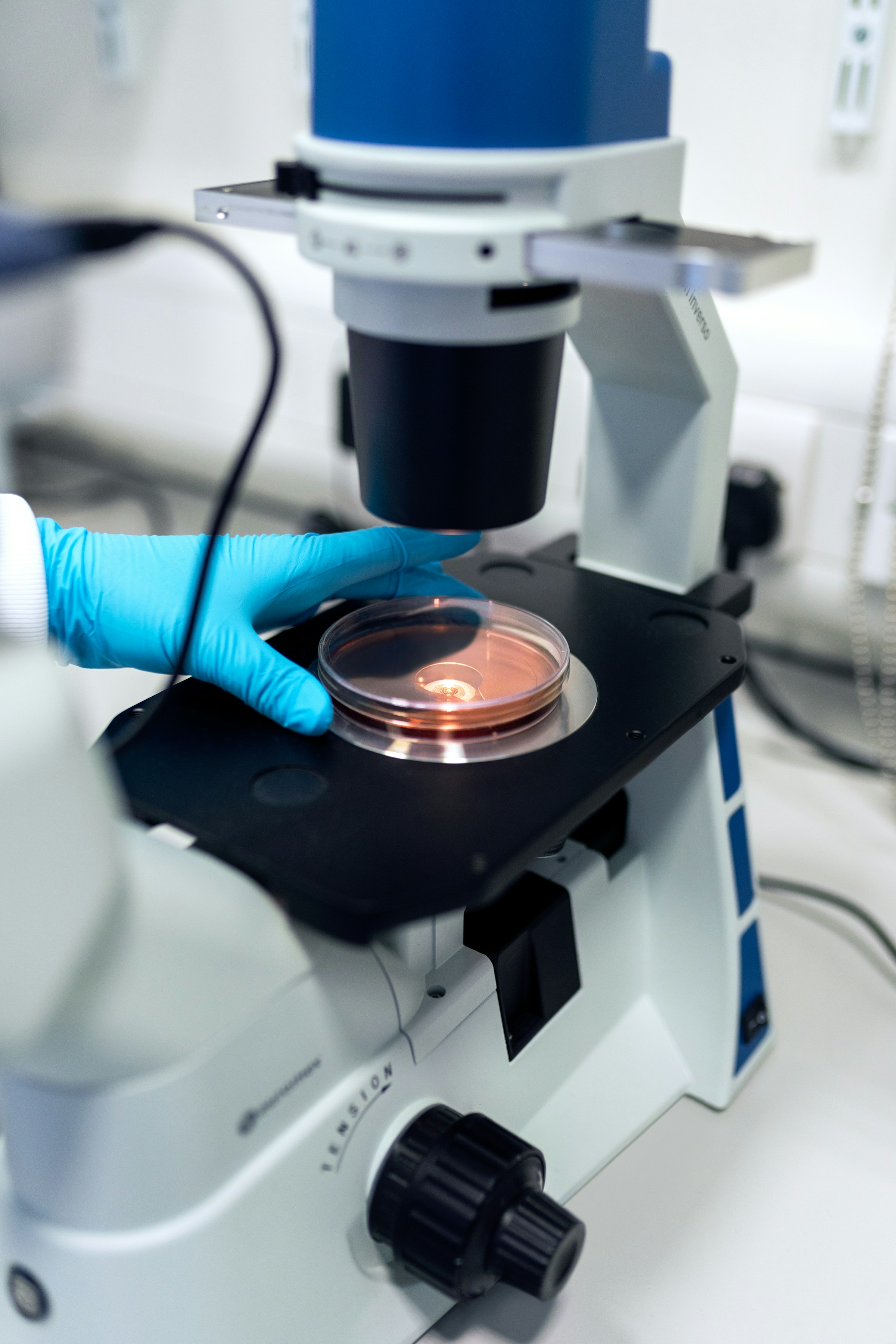
Feedstock agnostic
Works with diverse waste streams, including food waste and agricultural residues, rather than crops grown on arable land.
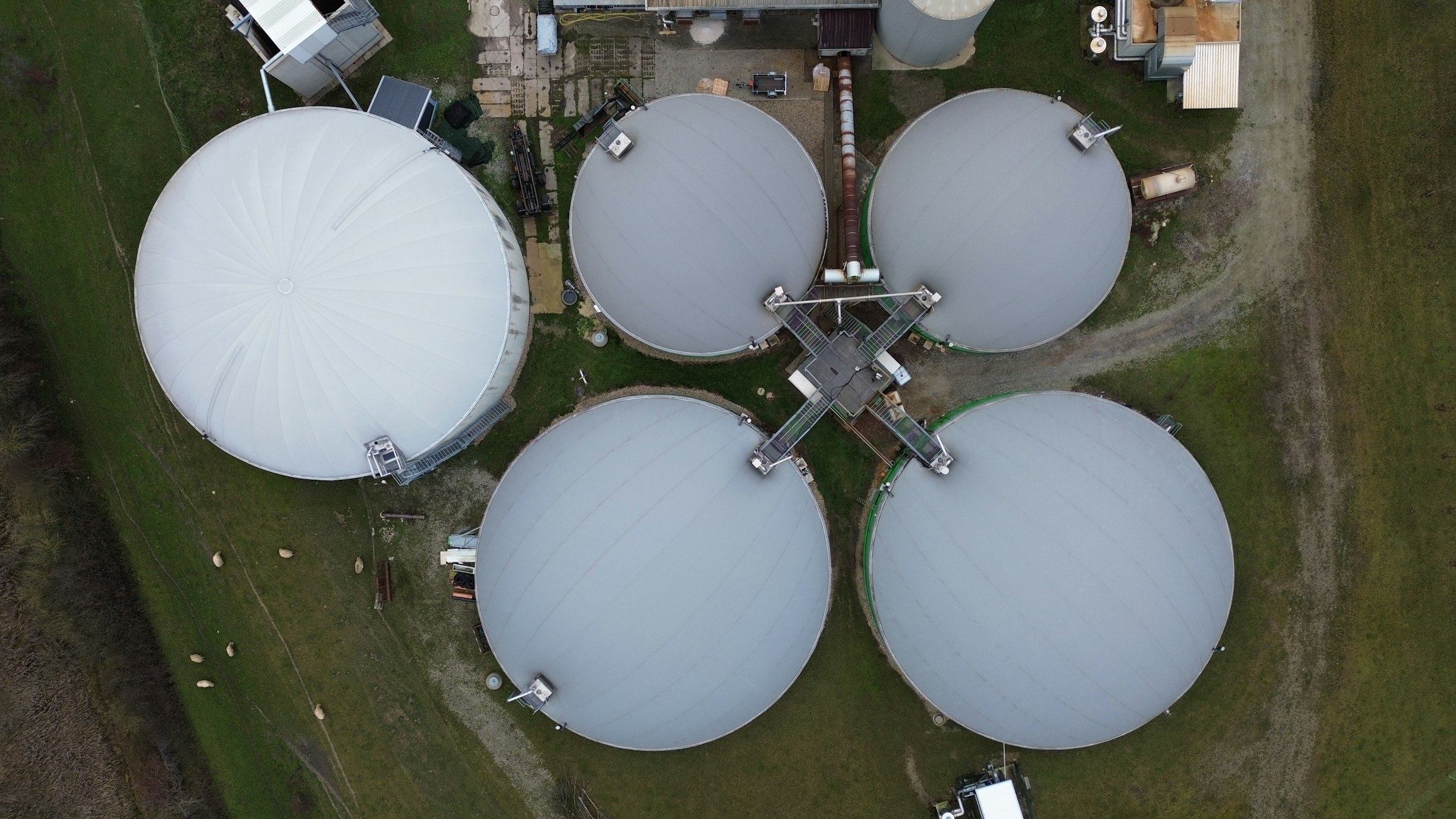
AI-guided microbes turn organic waste into fatty acids, the feedstock for sustainable aviation fuel.
Built to run on existing anaerobic digestion and refinery infrastructure. Cambridge, UK.
Pre-seed led by Elbow Beach, with Ascension, Cambridge Enterprise, Ventures Together and strategic angels. Supported by:








“Our approach has only recently become feasible due to advances in microbiome engineering and AI-driven bio-process design.” Friederike Nintzel, co-founder & CTO
Neela upgrades anaerobic digestion, a century-old and widely scaled biotech process, with synthetic biology and AI-driven bioprocess design. Follow one batch of waste through it.
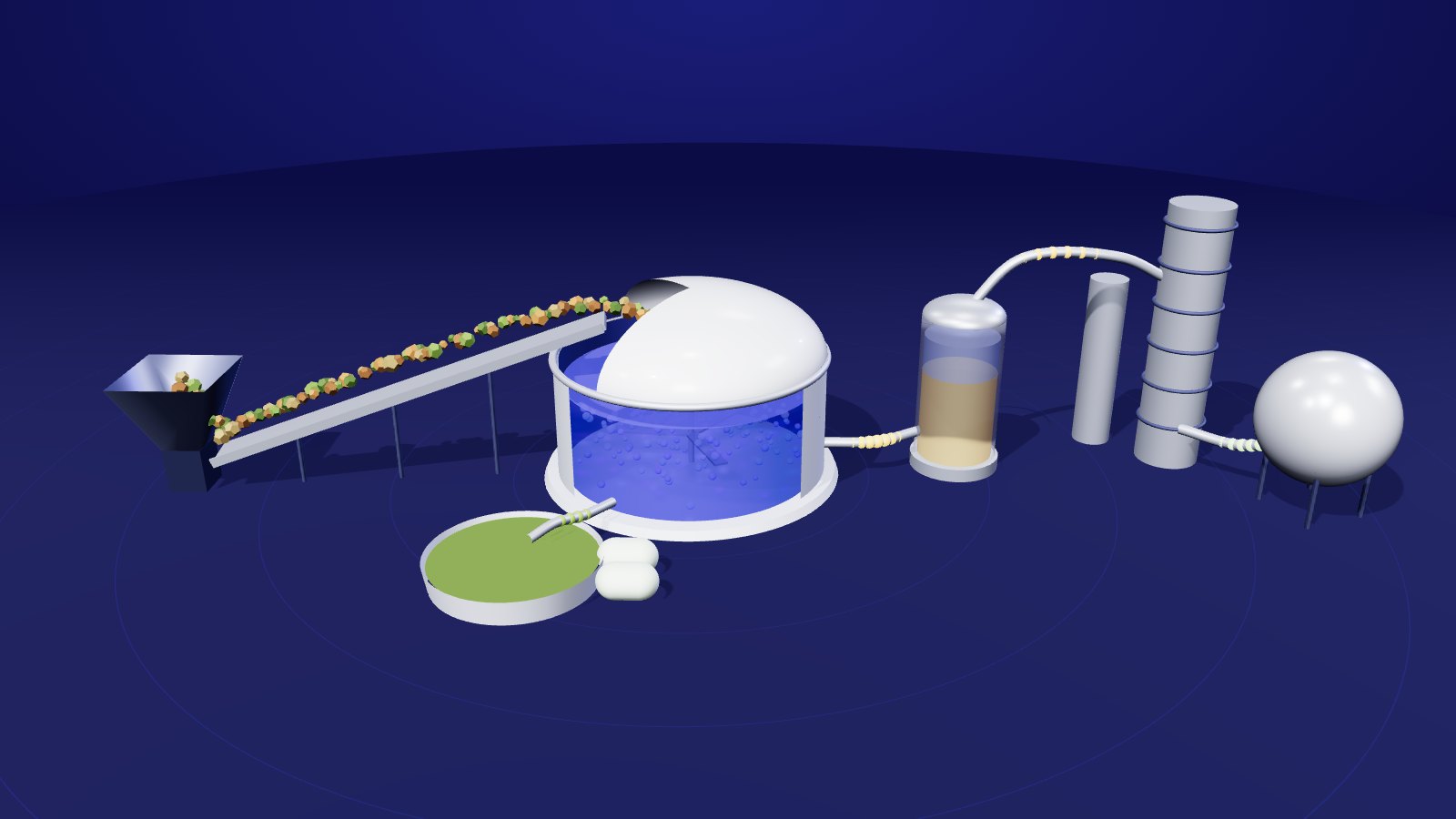
Food, farm and forestry residues: mixed organic waste of the kind anaerobic digestion plants already take in. No crops grown for fuel, so no competition with food, land or water.
Source: Dealroom, Oct 2026; Founders at Cambridge, Oct 2025Works with diverse waste streams, including food waste and agricultural residues, rather than crops grown on arable land.
Energy-intensive chemical processing is replaced by microbial action, with AI-designed microbial communities aimed at higher space-time yields.
Running the process inside existing biogas plants aims to avoid the capital cost of building new SAF facilities.
Led by Elbow Beach with £1.5M, alongside Ascension, Cambridge Enterprise, Ventures Together and strategic angel investors.
The round takes Controlled Microbial Upcycling from the lab to a pilot-scale trial at a biogas plant over the next two years.
Investor enquiriesThe pilot runs at a biogas plant. Talk to us about hosting a trial and adding a new product line to an existing digester.
Fatty acids for HEFA refining, aimed at a drop-in fuel for existing aircraft and airports. Neela is part of the IAG innovation programme.
Background on the round, the founders and the technology, with a direct line to the team.

Neela works with existing aircraft and airport infrastructure, so the fuel can enter supply chains without new engines or new airports.